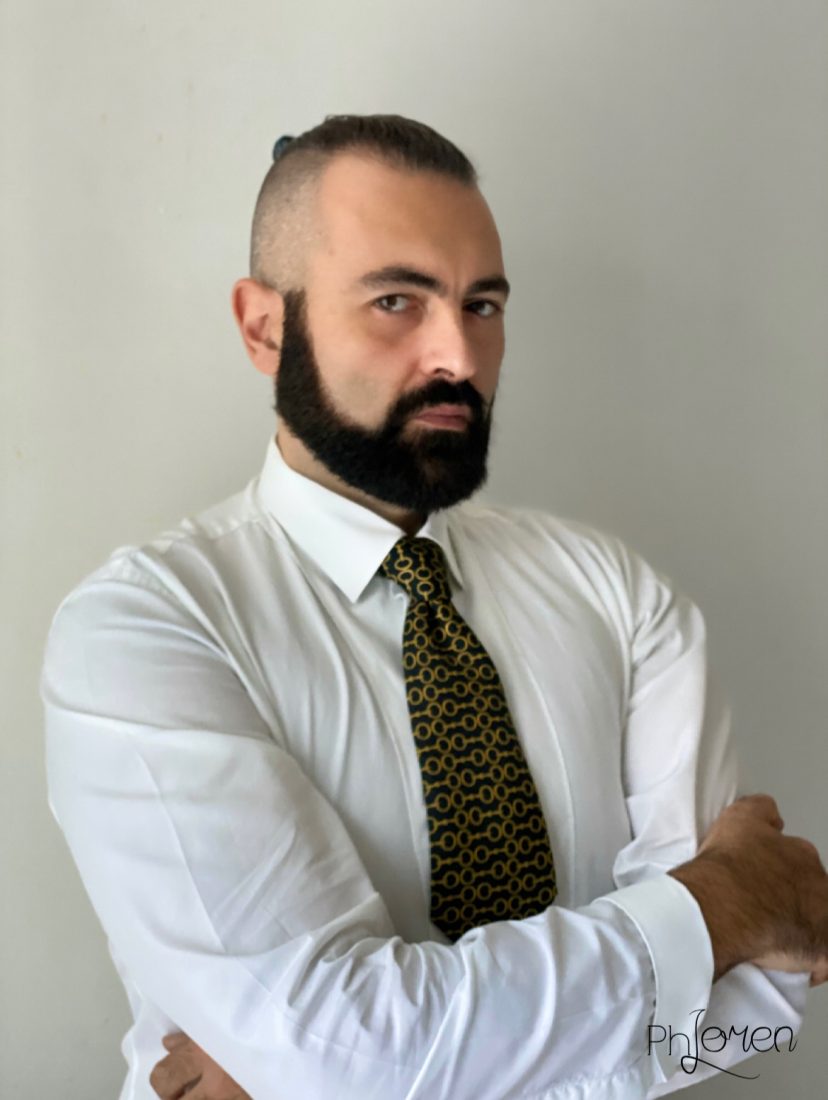
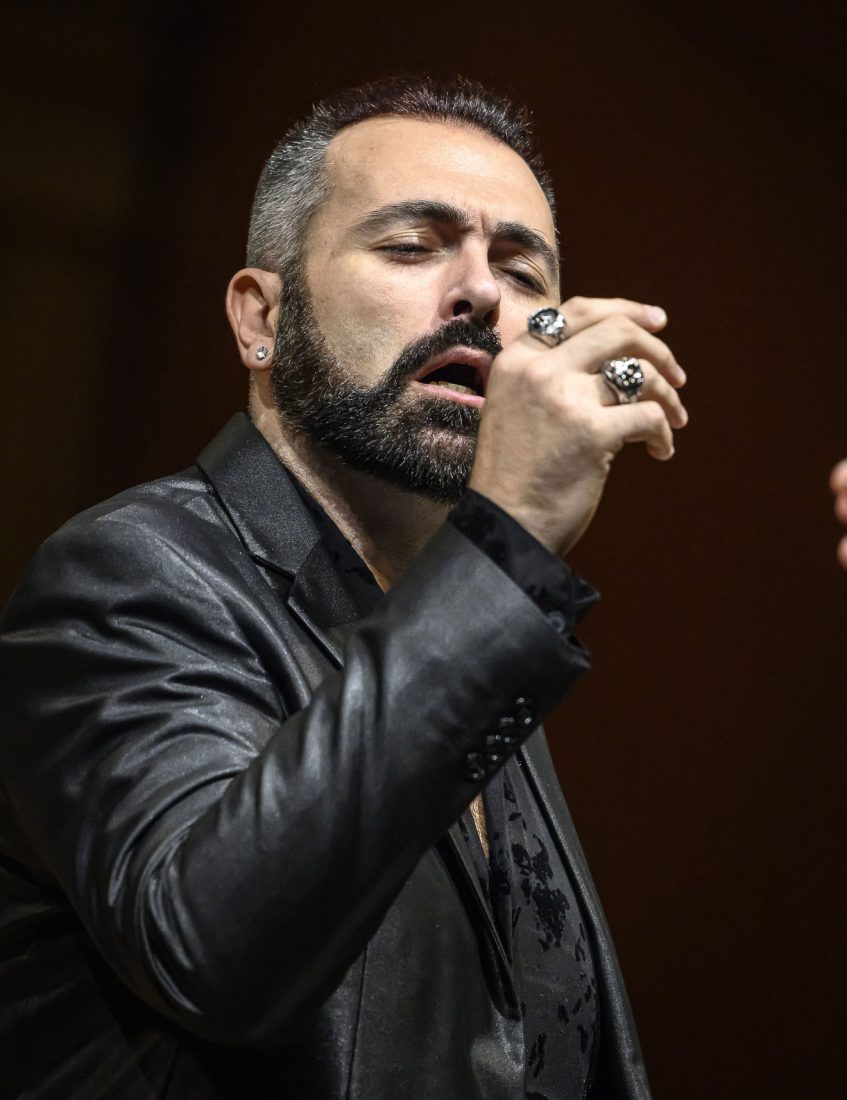
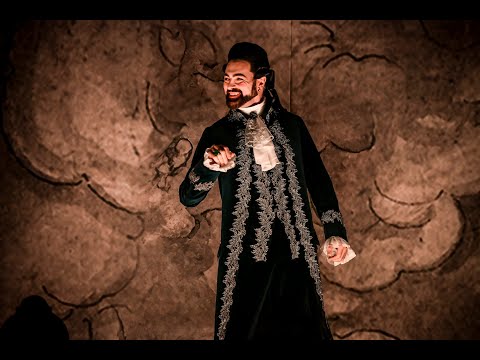
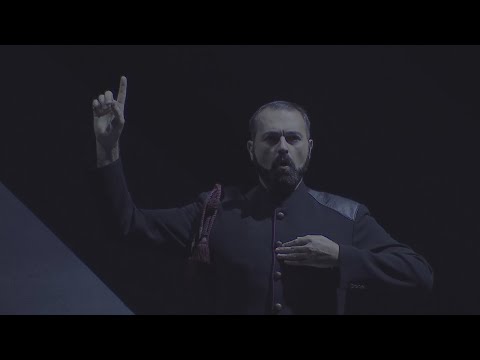
Luigi De Donato was born in Cosenza where he pursued his musical education at the S. Giacomantonio Music Conservatory. Later he studied with Margaret Baker, Gianni Raimondi, Regina Resnik and Bonaldo Giaiotti.
Thanks to his flexible and versatile voice, Luigi possesses a remarkably wide vocal range, extending from basso profondo to baritone, and performs an exceptionally broad repertoire spanning from the early Baroque to Romanticism.
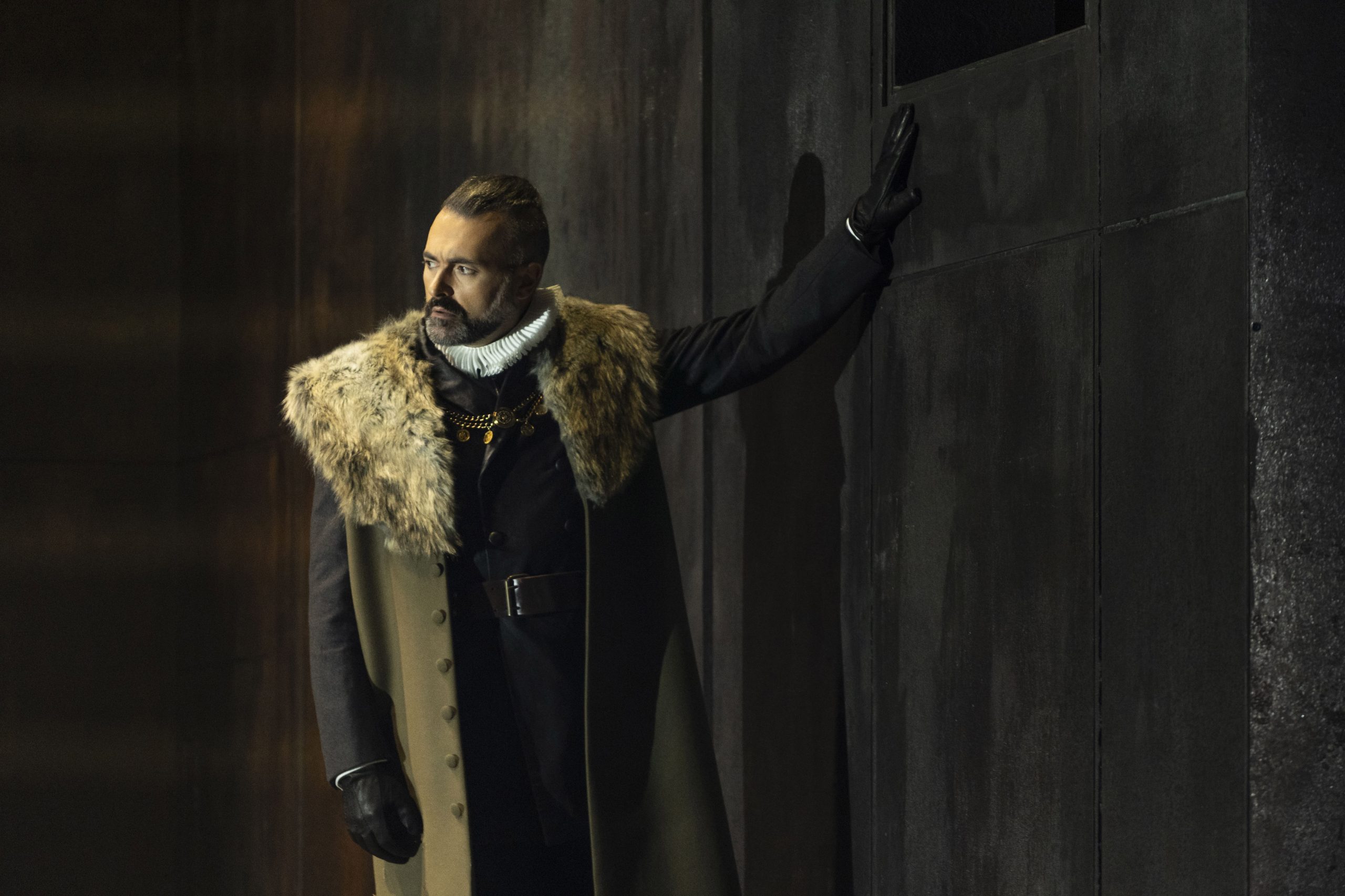
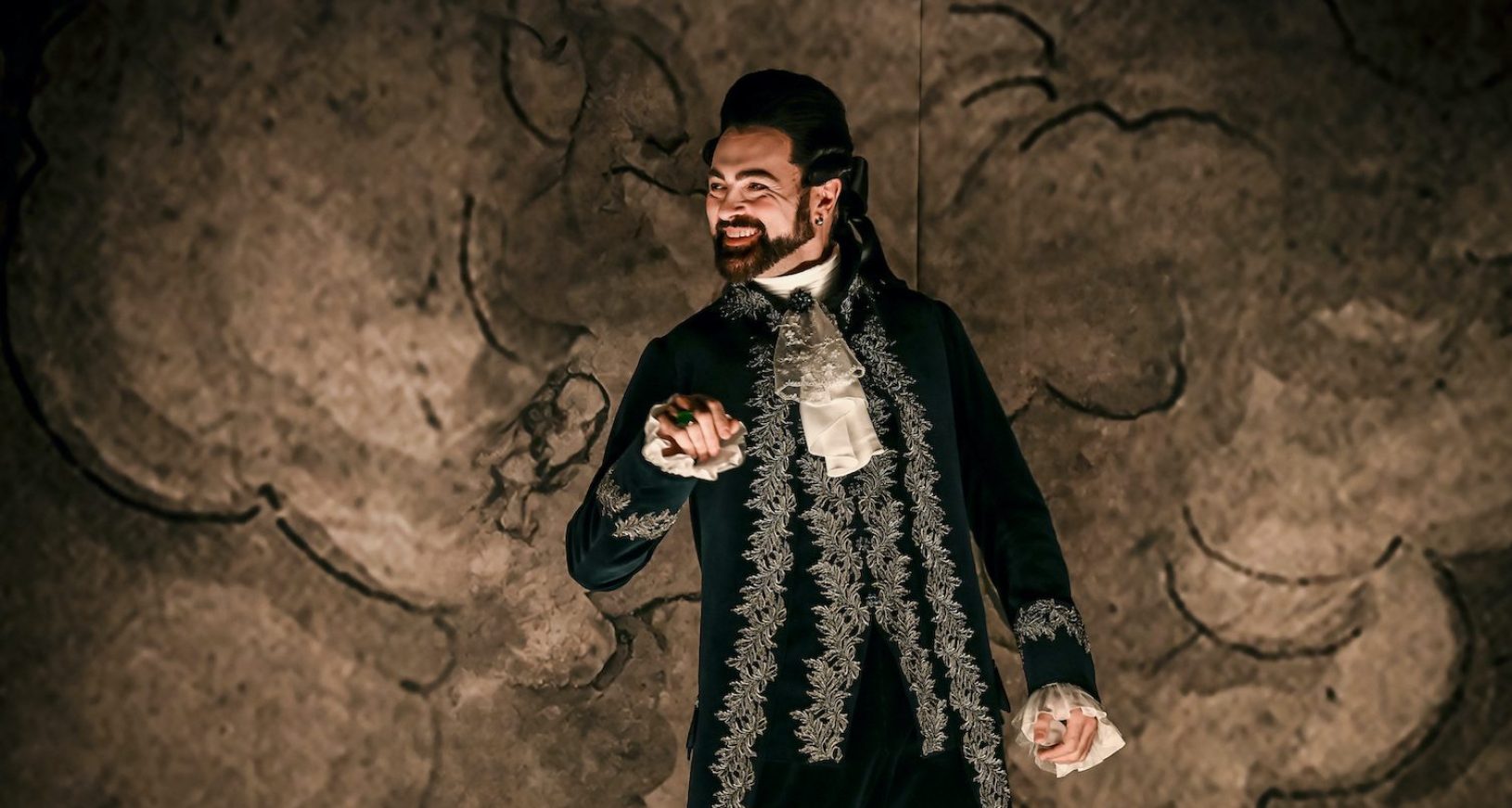
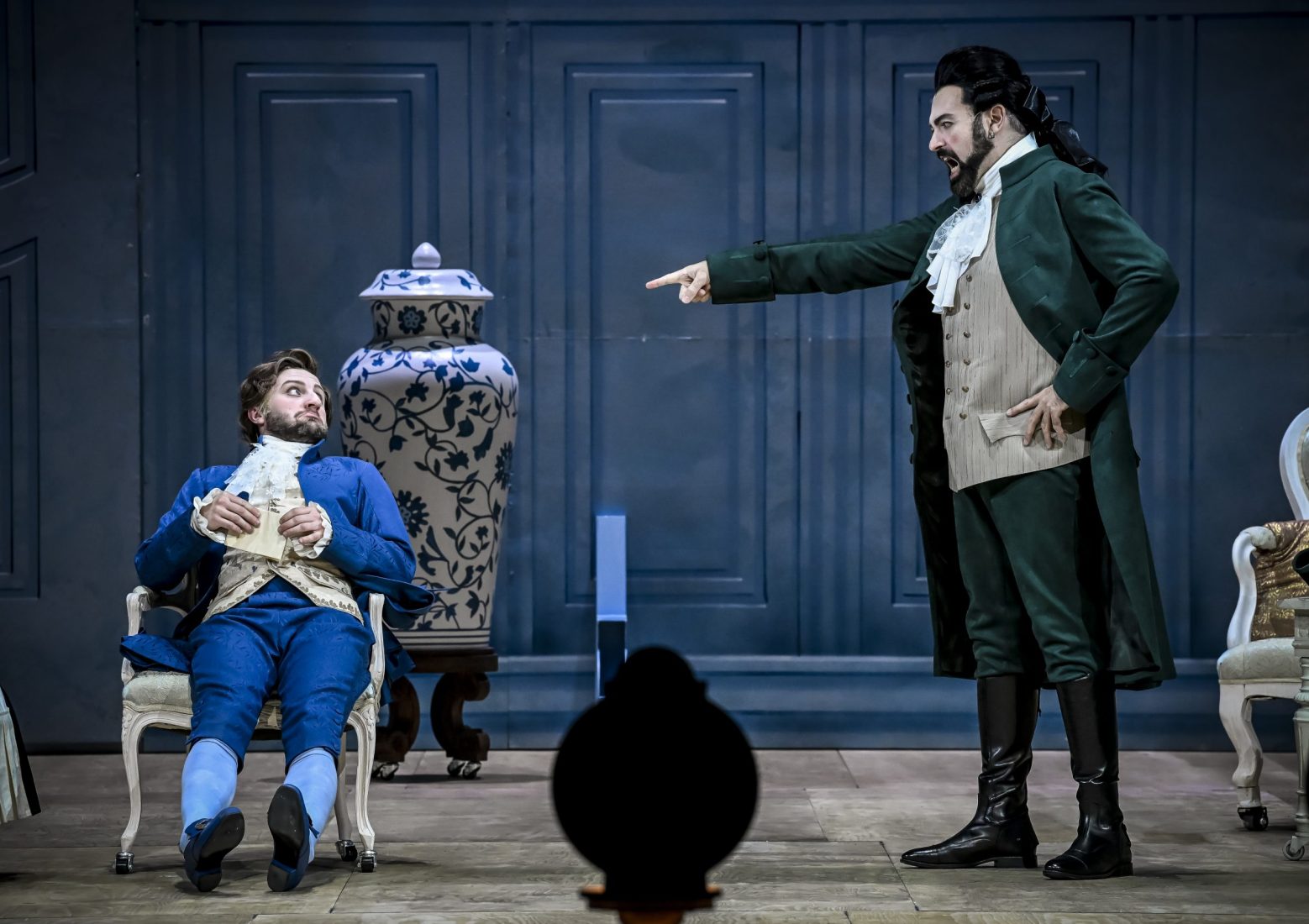
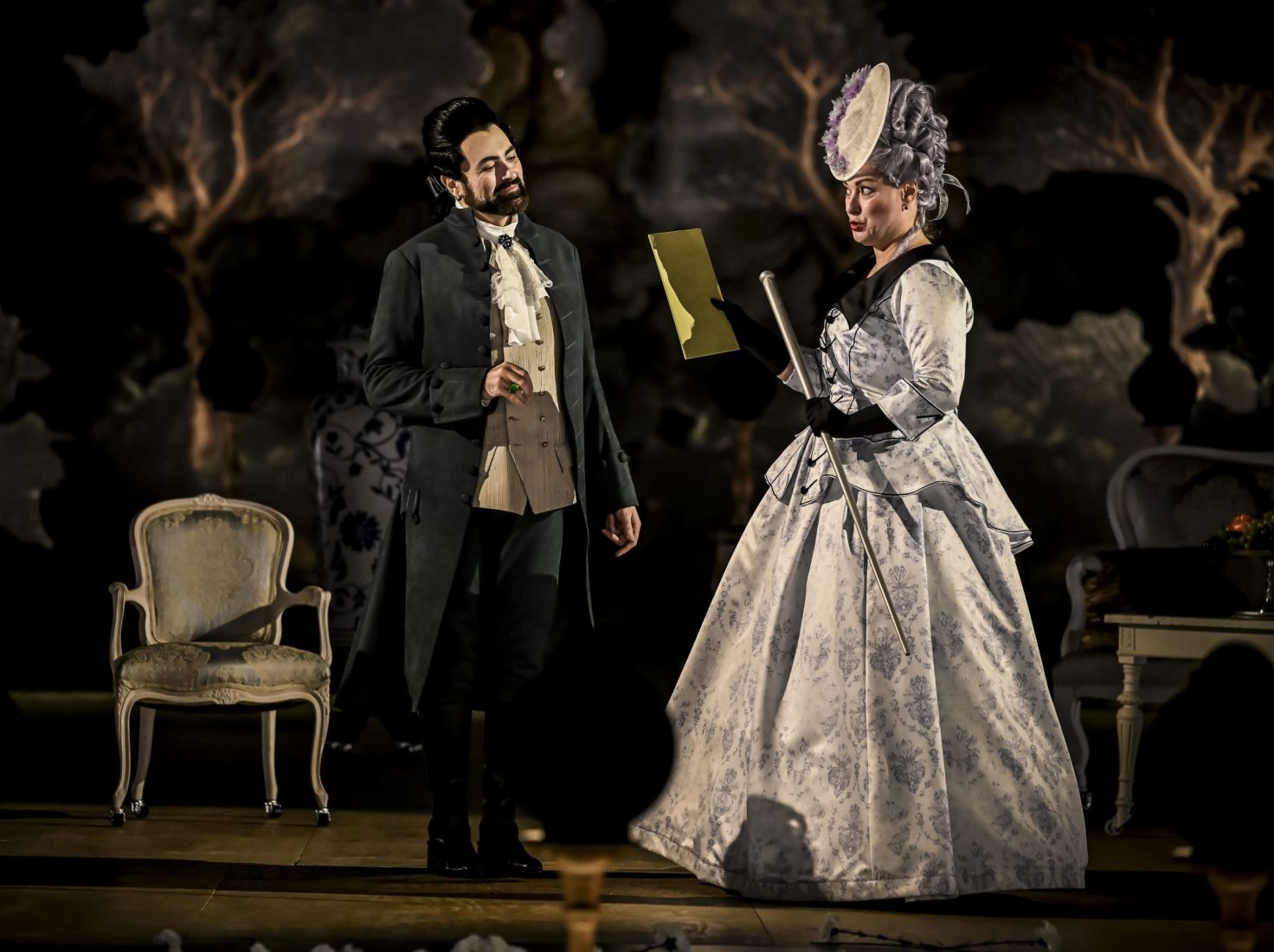
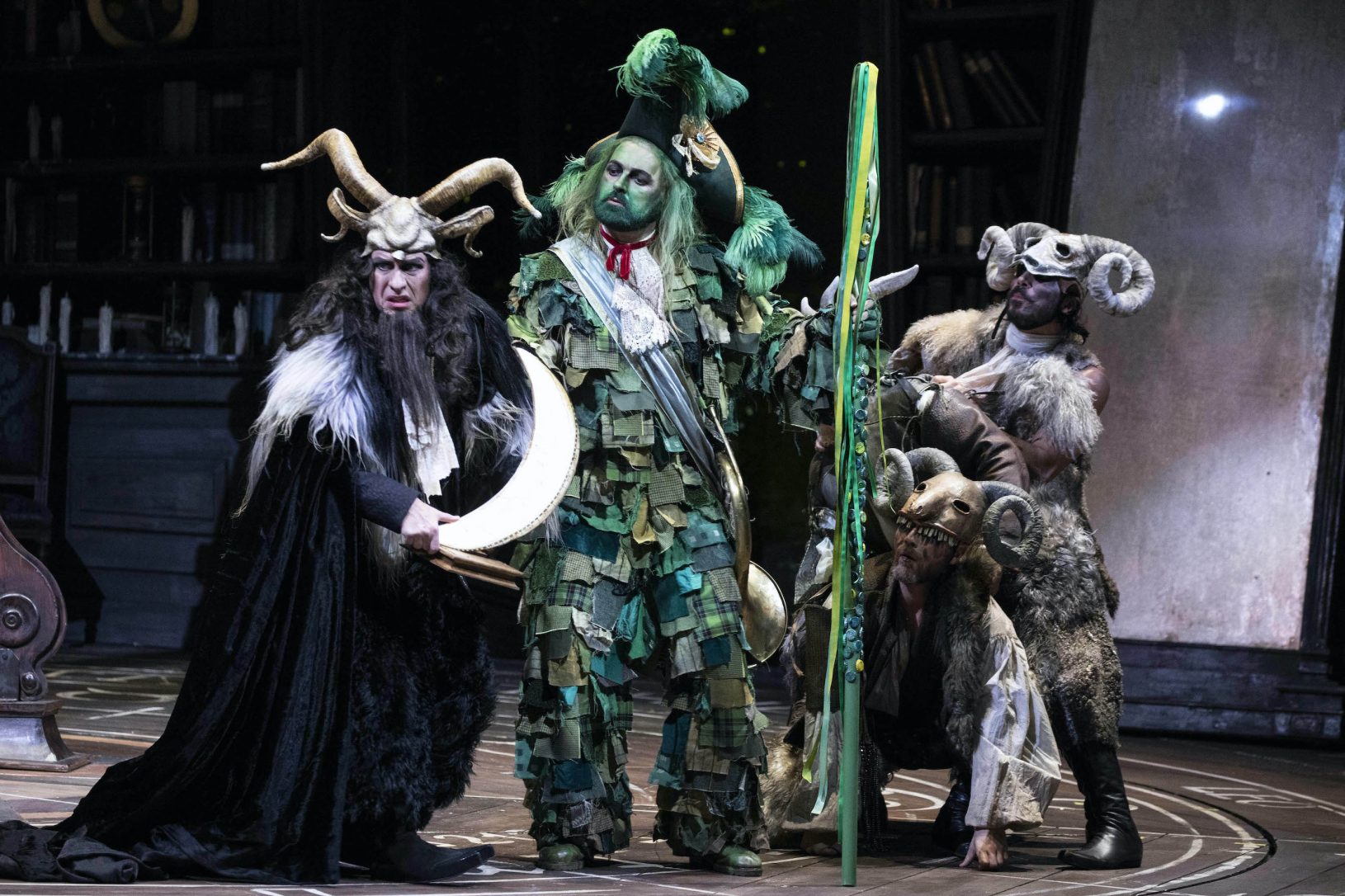
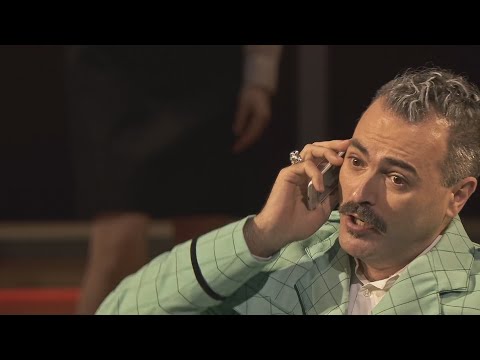
Recently, he made his role debut as Il Conte in Le Nozze di Figaro under Václav Luks in Brno and Caen, and debuted as Méphistophélès under Laurent Campellone in a new production of Faust for the Opéra Royal de Versailles and Opéra de Tours.
One of the foremost interpreters of the repertoire of the 17th and 18th century, Luigi sang Monteverdi’s L’Orfeo (Caronte) and Il Ritorno d’Ulisse in patria (Il Tempo and Nettuno) conducted by Rinaldo Alessandrini and directed by Robert Wilson for la Scala, and returned to the roles for the Teatro Real in Madrid in a William Christie/Pier Luigi Pizzi production. With Jean-Christophe Spinosi, he took the stage as Seneca in L’Incoronazione di Poppea for the Teatro Colón in Buenos Aires.
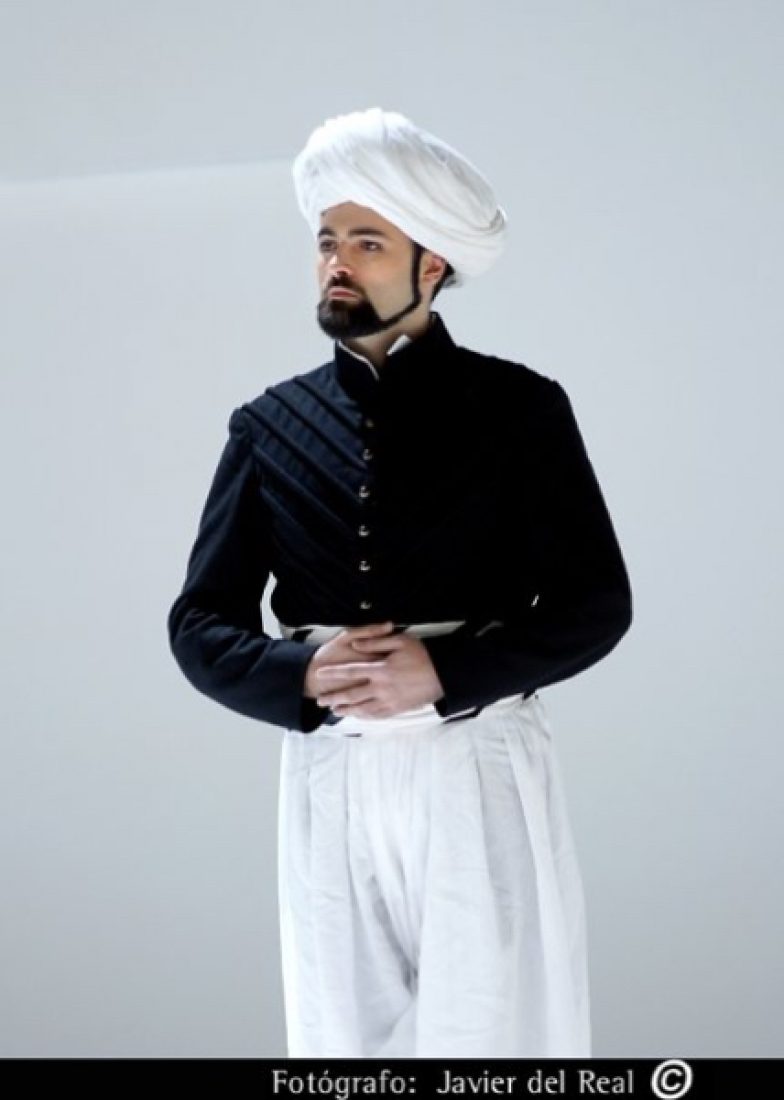
His Handel roles include Ariodate (Serse) in Madrid, Moscow and Barcelona under the direction of Spinosi; Lucifero (La Resurrezione) under Diego Fasolis and Vacáv Luks; Polifemo (Aci, Galatea e Polifemo) with Giovanni Antonini at the Salzburg Festival, at the Pierre Boulez Saal in Berlin alongside Akamus and, under Ruben Jais, at Wigmore Hall in London; Leone (Tamerlano) at the Teatro Real in Madrid with Paul McCreesh and Graham Vick; Argante (Rinaldo) on an Italian tour and Claudio (Agrippina) at La Seine Musicale in Paris both conducted by Ottavio Dantone; The King of Scotland (Ariodante) in a Gianluca Capuano/David Alden production at the Bolshoi Theatre.
Luigi headlined Vivaldi’s Olimpiade (Alcandro, Clistene) with Alessandro De Marchi for the Innsbrucker Festwochen der Alten Musik and, alongside Jean-Christophe Spinosi, for both the Opéra de Nice and the Théâtre des Champs-Elysées.
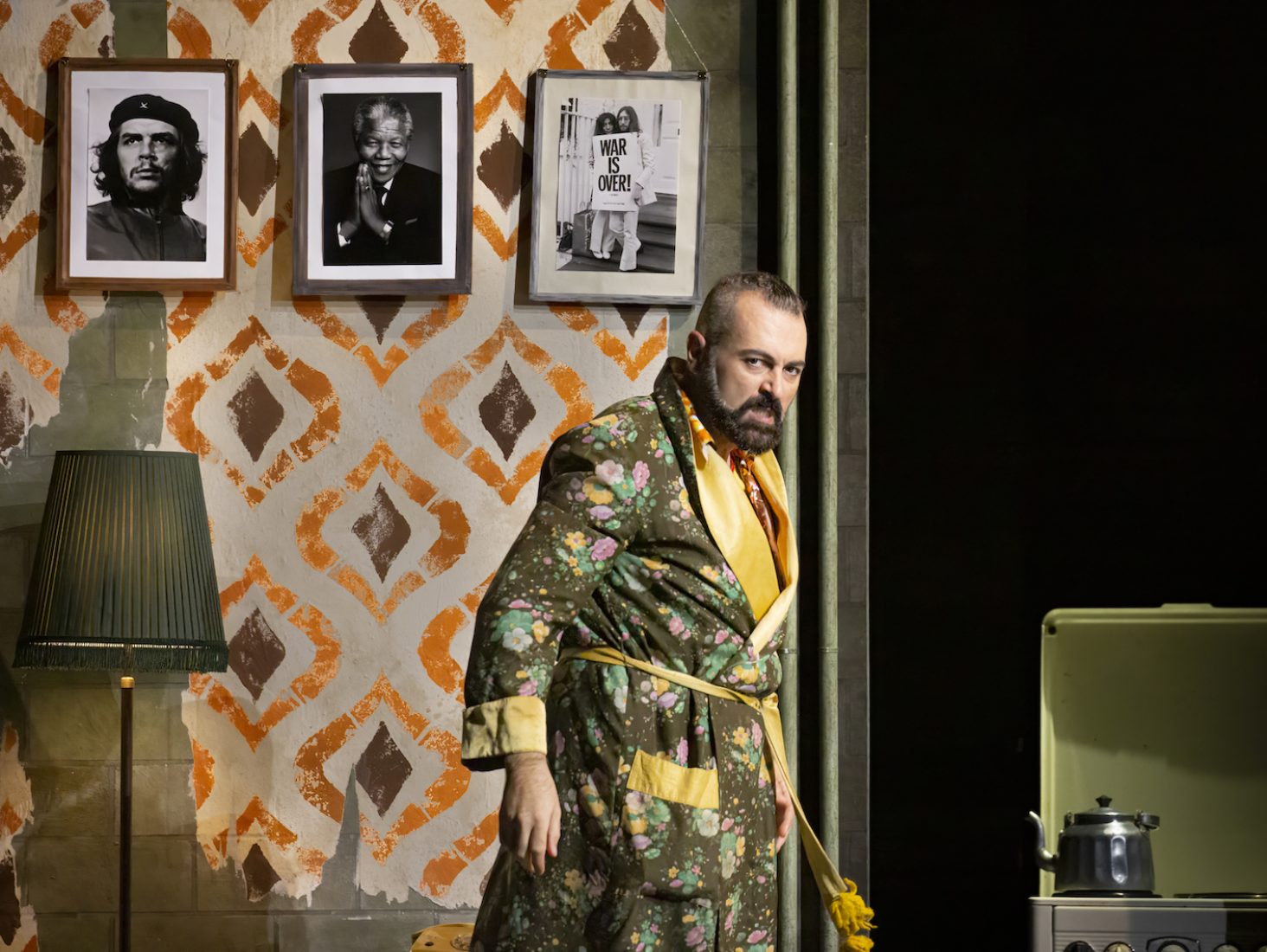
In the field of Bel Canto, Luigi De Donato performed the roles of Alidoro in La Cenerentola at the Théâtre des Champs-Elysées and Opéra de Lausanne conducted by Stefano Ranzani and staged by Adriano Sinivia; Podestà in La Gazza ladra at the Frankfurt Staatsoper; Mustafa in L’Italiana in Algeri at the Versailles Royal Opera and Beaune Festival where he also embodied Basilio in Il Barbiere di Siviglia under the baton of Jérémie Rhorer.
Other career highlights include Le Grand Inquisiteur in Don Carlos at the Hamburg Staatsoper, Sarastro in Die Zauberflöte at the Théâtre du Capitole de Toulouse, Gessler in a new Francesco Lanzillotta/Bruno Ravella production of Rossini’s Guillaume Tell, as well as Polyphème in Lully’s Acis et Galatée alongside Federico Maria Sardelli at the Teatro del Maggio Musicale Fiorentino.
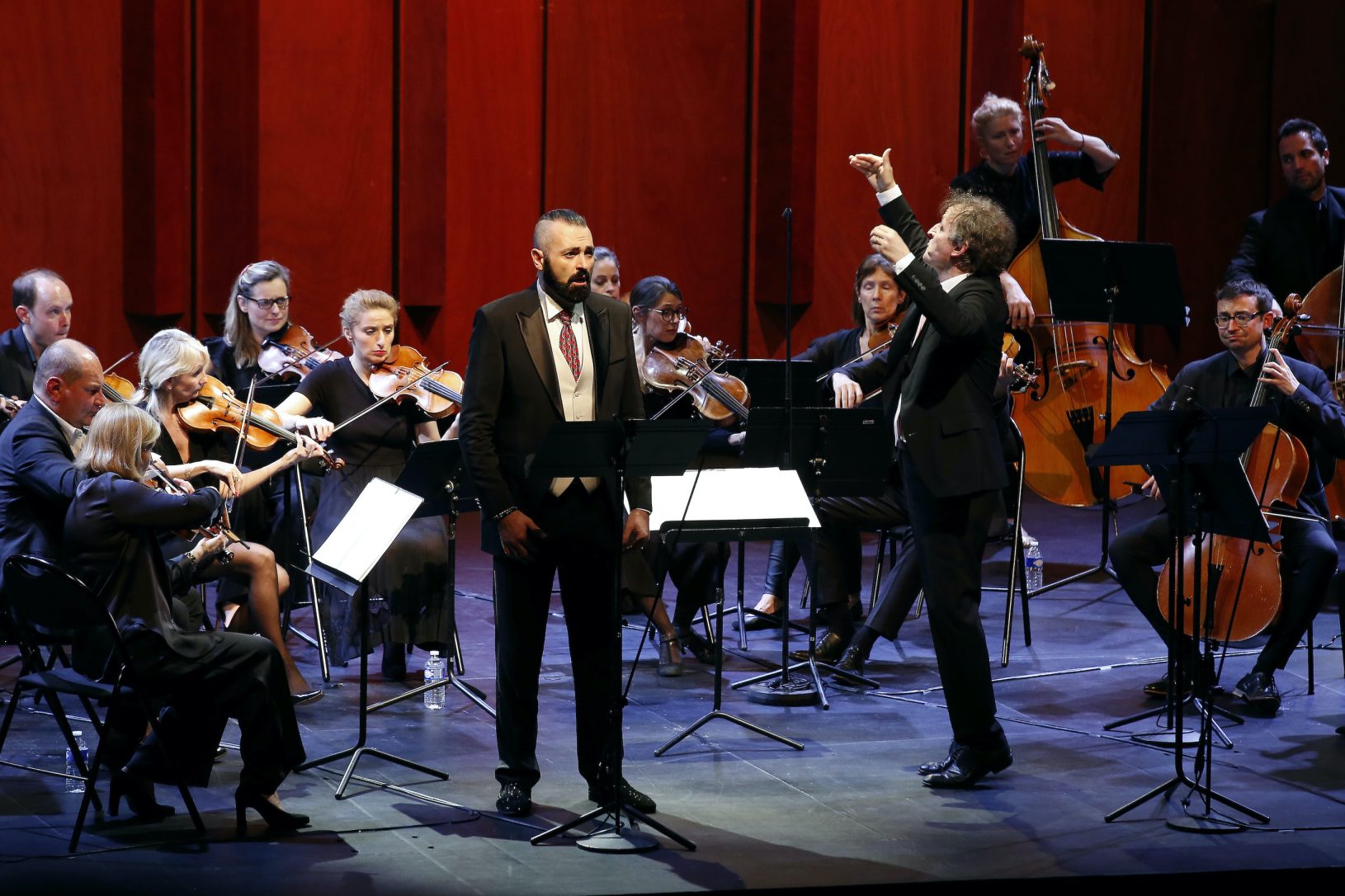
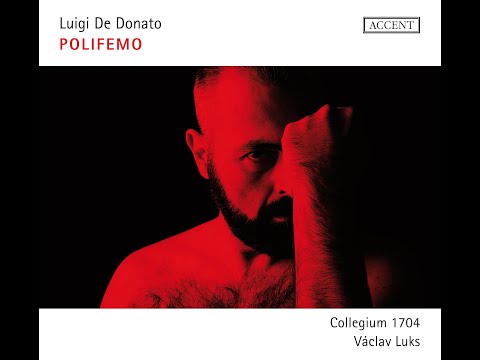
Recently, he reunited with Václav Luks for the release of his first solo album “Polifemo, the Baroque Monster”, which they presented on a European tour.
The 2026/2027 season will see Luigi returning to the role of Sarastro in Die Zauberflöte in an Ottavio Dantone/Chiara Muti production for the Ravenna Festival and reuniting with Václav Luks for Jiří Heřman’s new staging of Don Giovanni (title role) in Brno and Caen.
Luigi will make his debut with René Jacobs leading the B’Rock Orchestra for Salieri’s Falstaff (Bardolf) at Bozar in Brussels, deSingel in Antwerp, Elbphilharmonie Hamburg and Köln Philharmonie, and will sing Messiah under Andreas Spering at the Teatro de la Maestranza.